
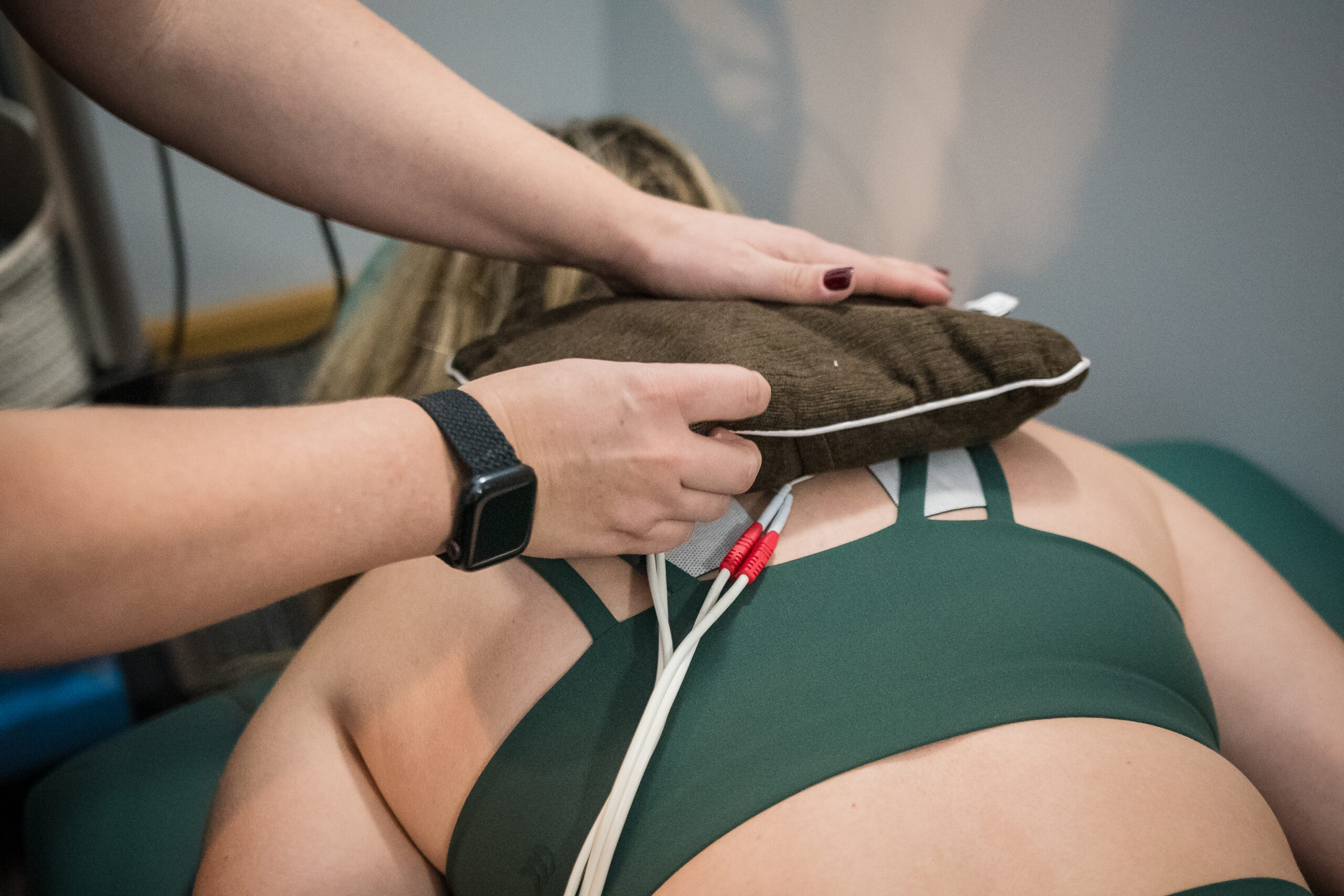
Chiropractic care can involve more than spinal adjustments alone. Depending on the practice, patients may also have access to supportive therapies and equipment that are incorporated into an individualized approach to care.
At Skelly Chiropractic & Wellness in Traverse City, Michigan, understanding the different services available can help patients feel more informed about their options. Two examples of supportive therapies found in chiropractic settings are therapeutic ultrasound and electrical muscle stimulation.
What are these therapies, how do they work, and what should you know before receiving them? Let's take a closer look.
What Are Supportive Therapies in Chiropractic Care?
Supportive therapies are services or modalities that may be used alongside other aspects of chiropractic care. They can involve specialized equipment designed to deliver sound waves, electrical stimulation, or other forms of physical stimulation.
The therapies offered vary by practice, and not every patient will receive the same services. A provider considers the patient's health history, concerns, and individual needs when determining whether a particular therapy is appropriate.
Supportive therapies are not a replacement for a proper evaluation or necessary medical care. Instead, they may be one component of a broader care plan when clinically appropriate.
What Is Therapeutic Ultrasound?
Therapeutic ultrasound uses a device to deliver high-frequency sound waves into targeted soft tissues. It is different from diagnostic ultrasound, which creates images of structures inside the body.
In some healthcare settings, therapeutic ultrasound is used as a modality intended to affect tissue temperature or mechanical activity. Whether it is appropriate depends on the individual, the area being addressed, and the reason for its use.
What Happens During an Ultrasound Session?
A typical session may involve a provider applying a small amount of conductive gel to the skin and moving an ultrasound applicator over a specific area.
The process and duration vary depending on the equipment and clinical purpose. Your provider should explain what the treatment involves, what you may feel, and any precautions relevant to your situation.
Therapeutic ultrasound is not appropriate for every condition or every part of the body, so individual screening is important.
What Is Electrical Muscle Stimulation?
Electrical muscle stimulation, often called EMS or e-stim, uses a device to deliver controlled electrical impulses through electrodes placed on the skin.
Depending on the device and settings, these impulses may produce a tingling sensation or cause muscles to contract. Different types of electrical stimulation are designed for different purposes, so the specific modality matters.
What Does an Electrical Stimulation Session Feel Like?
During a session, electrodes are placed on the skin in the treatment area. The provider adjusts the device according to the intended use and the patient's tolerance.
Patients may notice a mild tingling sensation or rhythmic muscle contractions. The experience varies based on the equipment, settings, and individual sensitivity.
Electrical stimulation is not suitable for everyone. People with certain implanted electronic devices, medical conditions, or other risk factors may need to avoid particular forms of stimulation or obtain medical clearance first.
How Do Providers Decide Which Therapies to Use?
There is no single supportive therapy that is appropriate for every person. The decision depends on several factors, including:
- Health history and current symptoms
- The area being evaluated
- Individual goals and preferences
- Relevant precautions or contraindications
- The available evidence for the specific therapy and intended purpose
A provider should explain why a therapy is being considered, what it is intended to do, and what limitations it has. Patients should feel comfortable asking questions or declining a therapy they do not wish to receive.
Are Supportive Therapies Always Necessary?
No. Supportive therapies are not required for every chiropractic visit, and using more equipment does not automatically mean a care plan is better.
Depending on the individual, care may involve chiropractic adjustments, movement-related guidance, other appropriate services, or referral to another healthcare professional. The focus should remain on the patient's needs rather than using a particular modality simply because it is available.
It is also important to understand that evidence and effectiveness vary by therapy and condition. No modality should be presented as a guaranteed solution or a substitute for appropriate medical evaluation.
Understanding Your Options at Skelly Chiropractic & Wellness
At Skelly Chiropractic & Wellness, we believe patients should understand the services available to them and feel comfortable asking questions about their care.
If you are curious about therapeutic ultrasound, electrical muscle stimulation, or other supportive services, our team can help explain the options offered at our practice and discuss whether a service may be appropriate for your individual needs.
Our approach emphasizes personalized care, clear communication, and helping patients make informed decisions about their wellness.
Learn More About Chiropractic Care in Traverse City
Whether you are new to chiropractic care or exploring different approaches, learning about available services is a useful first step.
Contact Skelly Chiropractic & Wellness in Traverse City, Michigan, to learn more about our services and discuss your questions with our team.
Ready to learn more? Schedule an appointment with Skelly Chiropractic & Wellness and discover the chiropractic care options available to you.